
Everyday Peace of Mind
A discreet digitally linked tool that helps to reduce stress
Role: Product Designer
Scope: AI-assisted prototyping · UI systems · Accessibility
Duration: 2 days - Class project, January 2025
Platform: Mobile
Tools: Figma, ChatGPT (prompting partner), Design thinking framework
Problem
People lose everyday items and waste time retracing steps. Losing everyday items is not just inconvenient, it creates cognitive friction.
Existing tracking solutions often:
Add visual bulk to personal items
Feel intrusive or aesthetic-breaking
Prioritize hardware over seamless integration
Insight: The emotional friction of losing something is higher than its financial cost.
Recovery solutions should:
Be invisible until needed
Preserve the object’s design and identity
Integrate quietly into daily behavior
Peace of mind works best when it doesn’t call attention to itself. Users want reliability without visible compromise.
Solution
A hybrid physical-digital tracking system using:
Mobile app with GPS location
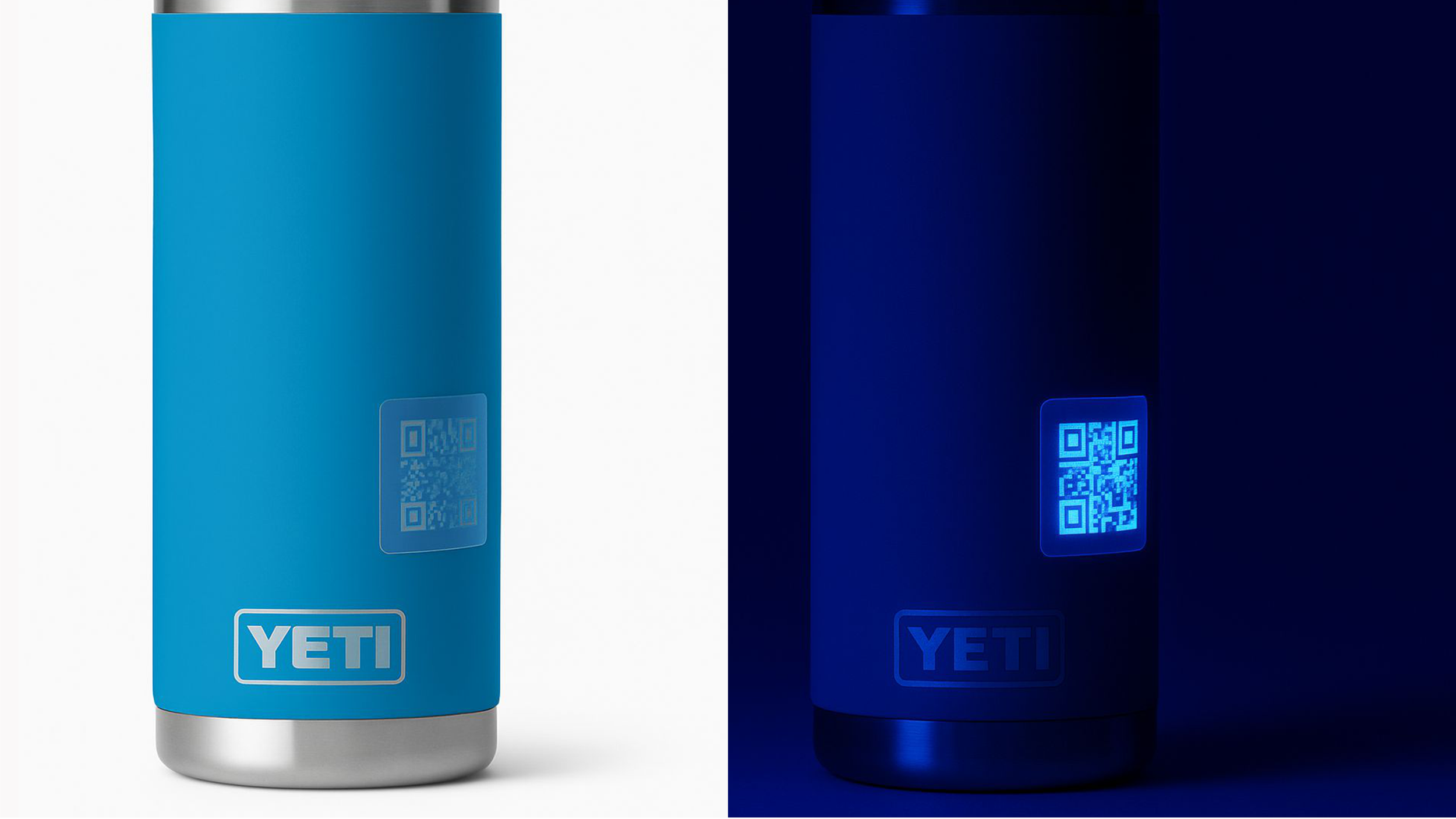
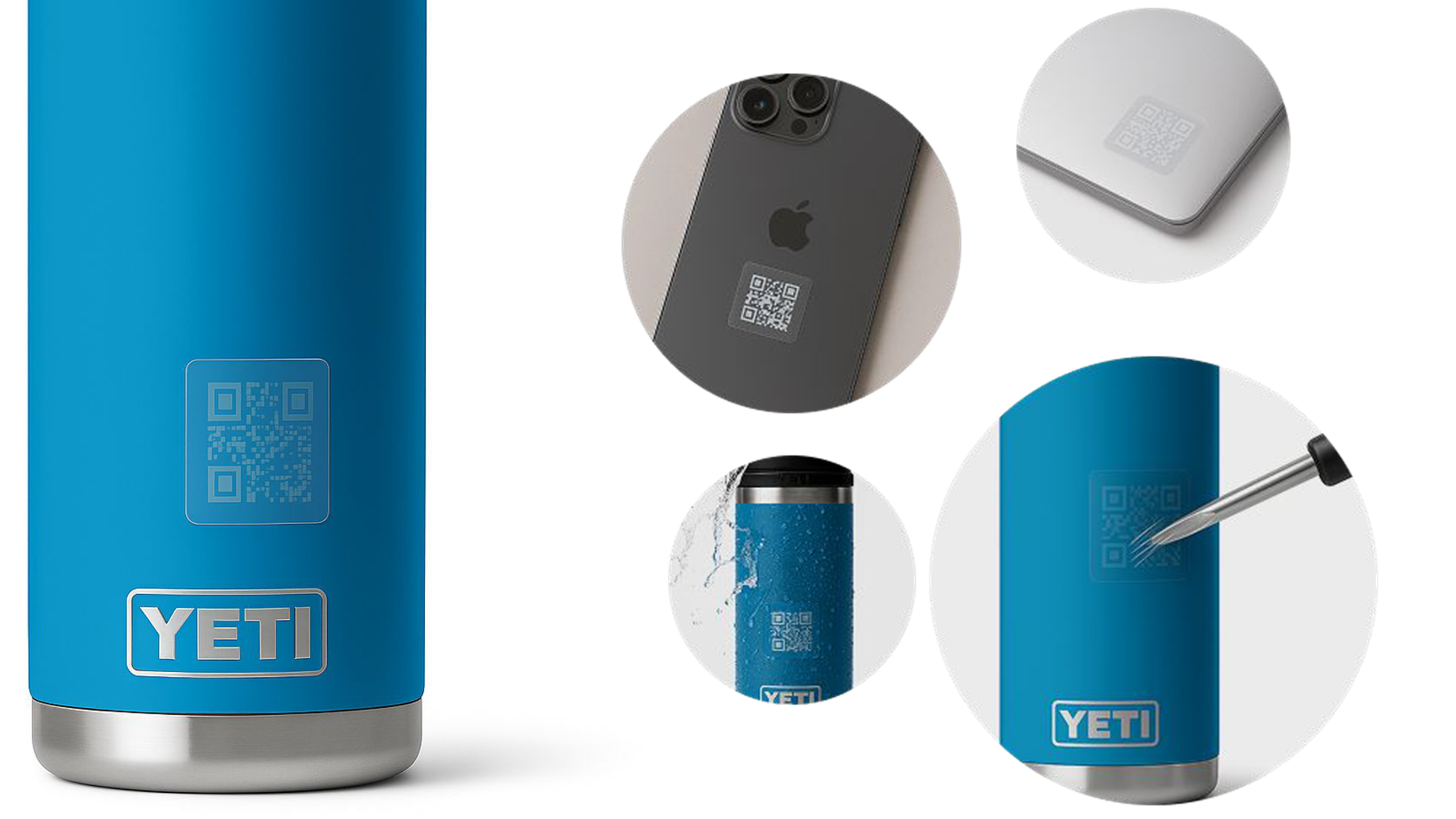
Transparent adhesive tags
The solution makes object tracking:
Subtle: Blends seamlessly with personal items.
Accessible: Can be applied to all your belongings.
Practical: Reduces everyday stress and recovery time in finding misplaced items.
The goal: instant recovery without visible compromise.
How it works
User scans and assigns a transparent tag
Applies it discreetly to an item
Uses the app to view real-time location
Uses blacklight mode for physical confirmation
Unlike traditional trackers that prioritize hardware visibility, InvisiTrack prioritizes:
Subtlety
Material integration
Cognitive ease
Emotional reassurance
It treats tracking as a quiet layer, not a loud attachment.
Process
I used AI as a generative accelerator to explore structural design directions, then transitioned into human-led systems refinement—validating interaction logic, reducing cognitive load, and ensuring the final experience balanced automation with clarity and control.
Design prompts focused on:
Frictionless Onboarding: Scanning and assigning tags mirrors familiar QR behaviors.
Dual-Layer Recovery: GPS for macro-location, Blacklight for micro-validation
Everyday Integration: The experience supports both: High-value items and Frequently misplaced objects


Impact
I treat AI as a structured design collaborator, not a shortcut. It helps me rapidly explore layout variations, interaction patterns, and system possibilities. I then apply human-centered evaluation to refine clarity, hierarchy, usability, and edge cases. AI expands the solution space. Human judgment sharpens it.
What I learned
AI + Human collaboration: AI sped up iteration, but my design judgement was important to ensure usability and guide prompts to filter noise.
Human-Centered framing: A relatable story (me forgetting a water bottle) anchored the design, making it relatable and empathetic.
Systems thinking: Blending hardware and software elements required balancing feasibility, transparency and usability.
Next steps
If developed further:
Add real-time tracking feedback states
Strengthen onboarding and microcopy clarity
Test durability and long-term usage behavior
Explore integration into ambient computing ecosystems
Explore accessibility further through prompting (voice prompts, haptic cues).
Refine feasibility of hardware materials (UV sticker production).
Run usability tests to validate task success rates, ease of use, and perceived value.